<p>If I had those numbers, I wouldn’t be concerned about cholesterol at all. That’s a pretty healthy profile. And as UCB points out, even the treatment guidelines wouldn’t suggest treatment for that LDL unless there were multiple risk factors. Pretty much a non-issue.</p>
<p>I also think that the doc is correct that there is probably some variation in the liver numbers. I tend to run at the upper limit of “normal” kidney numbers – sometimes a tiny bit over, sometimes a tiny bit under. As long as they are stable in that range, probably no big deal. If I has similarly elevated liver numbers, that had been stable over time, I’d probably tend to chalk it up to just plain old genetic variation (or accumlated wear and tear!). Might make sense to take it easy with stuff that impairs liver function (alcohol, sugar, Tylenol, etc.), but I probably wouldn’t count on any big change in the numbers.</p>
<p>It’s important to keep in mind that the “normal” ranges for all of these tests are based on the entire adult population, including 20-somethings. I don’t know about liver function, but a lot of stuff just naturally gets a little less perfect as we age. For example, the “average” or “normal” blood pressure for a 50 year old is higher than for a 20 year old.</p>
<p>Substituting chicken for steak will maybe lower the LDL a little bit, but it will also tend to lower HDL. So, it’s maybe a bit of wash at the end of the day. We make, on average, 85% of the cholesterol in our bodies, so the amount of cholesterol we eat generally has a pretty small impact on the amount in our blood. On the other hand, there is nothing wrong with eating chicken and it’s a heck of a lot cheaper than beef these days! Eating more fish, especially fatty fish, is a win-win from just about every angle. I have turned to sauteeing fish in butter/wine or in simmering in thai curries with coconut milk so that it’s really really tasty!</p>
<p>“Average” blood pressure for 50 year olds is higher than for 20 year olds probably because the 50 year olds are less active and more obese than the 20 year olds, not because rising blood pressure with age is healthy.</p>
<p>I take an immunosuppressant medication to control my body’s attack on my liver. It was something I must have had for awhile to cause the damage. My AST and ALT had been normal for some time and then suddenly were mildly elevated but as I said autoimmune problems are greater in women. I would see a gastroenterologist though to try and figure out the cause. As Idad said it might be fatty liver related.</p>
<p>I will tell him to go to a gastroenterologist, busyparent. I just got all of his results from tests over the years, and he has always had high GGT levels. This last blood test didn’t even test for that. But though he’s been near the top of the range for ALT and AST, it has never been high. Now ALT is 111 (scale 0-42), and AST 84 (scale 0-41), while even last year it was in the normal range. One of the things I saw on livestrong, was that it could be muscle damage related. He has an injured shoulder, and has also taken a lot of inflammatory medications.</p>
<p>Thanks for all the info, idad. Honestly, we’re a little paranoid, because people we know in our profession are dropping dead left and right…in their fifties. It’s really hard to watch, but we realize we’re in a high risk health group, so when something is out of whack, we get scared. You can come on over and sautee us some fish anytime!</p>
<p>Based on his triglycerides/HDL and overall fitness, I wouldn’t expect insulin resistance/fatty liver disease issues to be likely.</p>
<p>I have no idea whether those ALT/AST numbers are alarming. I would take your cue from your doc. If the doc wants to just monitor it and test again, then I would take that as reasonable advice. You wouldn’t want to engage a lot of specialists only to find out that those numbers aren’t uncommon and often bounce around. Your doc should have some feel for that.</p>
<p>It does sound plausible that a whole bunch of anti-inflammatories (Ibuprofen, etc) dealing with a shoulder injury could result in a short-term rise in those liver enzymes. I think they are known to be hard on the liver. In that case you wouldn’t want to go chasing the numbers until you’ve seen them linger for another round of testing. It’s easy enough to schedule a follow-up blood test in 90 days.</p>
<p>Here are links to explanations of results. Sounds like your hubby’s numbers are not in the alarming ranges. This says that ALT can sometimes be 100 times normal…</p>
<p>I had a gorgeous 1 pound piece of fresh cod last night, simmered in Thai red curry/coconut milk with broccoli, snow peas, and red bell pepper. Took 15 minutes start to finish in a single skillet, including cutting up the veggies. My idea of fast food.</p>
<p>Yeah, maybe my husband should just send an email to the doc and ask about that. It costs us only $40 to see a specialist, no referral required or additional costs for blood tests…but maybe it was just strenuous exercise or something minor. We are exposed to a lot of hazardous materials, so I’m always worried, but maybe it would be good to just be careful, stay away from the things that raise the liver enzymes, and retest. His doctor is a pretty good guy. I will send my H those links, I had not found anything online that detailed about the tests. Thank you!!!</p>
<p>That dinner sounds so good. Seems easy enough to make, now that I have a motivation to start cooking again. Since we became empty nesters, it’s hard to get back into the habit of cooking for just 1-2 people again.</p>
<p>Try cooking for one! I’m such a “guy”, I make the thai curry in an all-clad skillet and eat it right out of the skillet! Same thing with my Chicken Fajitas (Hold the Tortilla) tonight. Sautee it. Sprinkle with cheese, melt the cheese to a nice crust under the broiler, and eat it right out of the skillet. What the heck? I’ve got to wash the skillet anyway. And some restaurants would charge at least $10 more for a “fancy” skillet presentation, sizzling from the broiler…</p>
<p>I do use plates for some things. I’m not a complete caveman… </p>
<p>^^What? I thought all guys were cavemen. Oh, you said, “complete caveman”, got it! Both the chicken fajitas and thai curry sound so good. Okay, I might even make one of those tomorrow. I hate cooking, but I just have to do it. It is expensive and unhealthy to eat out too much, and I need to keep me and my husband alive to enjoy our much fantasized retirement. If it ever comes…</p>
<p>For healthy cooking solo, I have learned to cook for two or three meals at a time. For example, I sauteed boneless chicken breasts (in lard, of course) the other night. Chicken caesar salad one night. Chicken fajitas tonight. And, a little piece saved to dice up with fresh carrots, onions, peppers, and celery to jazz up a can of Progresso chicken soup for lunch tomorrow. I grilled flank steak the other day, had two dinners, and a piece saved to make canned vegetable beef soup “marvelous”!</p>
<p>Basically, I only cook every other day or so and always have the ingredients for an easy second night. Even when I grill a steak, I usually grill some chicken breasts on the same fire while I’m eating and throw them in the fridge. The only exception is seafood. I like to buy that the day i cook it and eat it.</p>
<p>My only complaint is that I tend to stick to the same ol’ favorites a lot.</p>
<p>Well, when you have something you like, why not stick to it! That’s probably a good idea, cook enough to last awhile, so you don’t have to do it every night. Yes, fish doesn’t seem to microwave as well as anything else.</p>
<p>Good morning.
Bus driver, I also would not be remotely worried about that cholesterol profile…and even it the ratio suggested treatment, I’d seriously consider niacin flushing overnight instead of pharma’s statin gig. However, I’d avoid niacin flushing in your h’s case at the moment because it can be hard on the liver. </p>
<p>In terms of fatty liver and elevated readings (mc h had same dx last year, but mch is overweight and sedentary)… Reducing body fat by 10% or more is about the only thing that prevents fatty liver from progressing. Mch did that this year (lost about 30 lbs which for him is closer to 15%) and his readings normalized. But he also did it via lower carb, glycemic index conscious diet and knocking off his Aleve/advil habit, both of which are super toxic to the liver.</p>
<p>In particular, I’ve kept him off bread of all forms about six days outta seven and don’t keep it in the house any more. I do, however, serve things like risotto, which would be a “fast” sugar (white rice base) but by adding the fat of Parmesan, that slows down the glycemic conversion speed.</p>
<p>The effect so far of this approach has been that his blood sugar went from 125 to 106, his liver enzymes normalized, and at least according to our electronic scale, his percentage of visceral fat was reduced. While he may not be a paragon of health per se, my goal was to keep him off Meds (metformin, for example) as long as humanly possible as I believe most Meds have unintended systemic consequences. The last thing anyone with elevated liver enzymes needs is more Meds for the liver to process :)</p>
<p>You mentioned liver cleanses. I would be extra skeptical about any product that claims to promote detox of liver…once again due to the unintended consequences notion. I do know people who will fast one day a week for cleansing purposes who swear by it, but I think the most valuable way to “rest” the liver is to reduce industrially-prepared foods as much as possible, drink lots of purified water, and work up a good daily sweat I, of course, am a Luddite about these things but the supplement industry in America is completely unregulated and simply cannot be trusted.</p>
<p>If he does decide to try a fast, I do feel that leek soup cleanse is generally gentle and sensible. In essence, you make up a big pot of leek soup (organic, preferably) and subsist on it for a weekend.</p>
<p>I was thinking more of a heavy fiber supplement, as opposed to a fast. He’s pretty thin, so I don’t know if he could go without eating for a day. I know what you mean about supplements, I don’t trust many manufacturers either.</p>
<p>Great suggestions, kmcmom. Sounds like it worked out well for your husband. I wouldn’t have thought about avoiding bread. I avoid it myself, but he doesn’t struggle with body fat the way I do.</p>
<p>I’m having a problem with my arm, and I wonder whether anyone here has an idea of what it is and how to fix it. It feels fine all the time unless I support weight on it - e.g., on hands and knees it hurts sometimes, depending on angle of arm, and in down dog it hurts all the time. The pain is on the back of my arm, just above the elbow. </p>
<p>I started taking a daily fiber supplement when my LDL was 217 and have continued ever since. Fiber and fish oil with lunch and dinner. Recently, I’ve added a multivin and Vitamin D.</p>
<p>I don’t know for sure that that the fiber does anything good. The verdict seems to be mixed from the experts. The consensus is, however, that it is unlikely to do any harm. I take a psyllium husk fiber power that “dissolves” in water. It’s like Metamucil, but I by [a</a> brand at GNC](<a href=“http://www.gnc.com/product/index.jsp?productId=2986019]a”>http://www.gnc.com/product/index.jsp?productId=2986019) that has no sugar or artificial sweeteners or flavoring. Just straight psyllium husk fiber. If i wanted to drink sweeteners and flavors, I’d drink Tang…</p>
<p>It might contribute to my improvement in cholesterol numbers and/or weight maintenance. It might be a waste of a small amount of money. It probably doesn’t hurt anything.</p>
<hr>
<p>I’m as big a fan of low carb diets you’ll find, but, honestly, your husband’s thinness and good triglyceride/HDL numbers suggest that he is not insulin resistant, not having any problem metabolizing carbs, and probably won’t see dramatic benefit from restricting his carbs. Sugar is a different story. I think everyone, universally, benefits from keeping sugar consumption low. Absolutely no benefit and a lot of potential harm. Very tough on the liver, which is where almost all fructose is metabolized.</p>
<p>The guy I turn to for common sense fitness advice, Coach Mike Boyle, has a simple rule for exercise. If it hurts, don’t do it. And “hurts” includes all the hedges like “it only hurts until I’m warmed up” and so forth.</p>
<p>Trying to imagine the location of your pain, my non-medical hunch would be some kind of inflammation/irritation where the tendons/ligaments attach to the elbow – like tennis elbow (or maybe even tennis elbow). I would try a week or two of completely avoiding putting weight on it in the way that causes pain and see if that cures it.</p>
<p>When I first started doing exercises that put me in that position (ab wheel rollouts, ValSlides), I quickly discovered that my arms and shoulders were limiting factors – in addition to the core muscles the exercises were suppose to work. Once you get rid of the pain, a steady diet of push ups or angled push ups will probably help over time.</p>
<p>“Sugar is a different story. I think everyone, universally, benefits from keeping sugar consumption low. Absolutely no benefit and a lot of potential harm. Very tough on the liver, which is where almost all fructose is metabolized.”</p>
<p>It is amazing how many food items have added sugar, or fructose, that you wouldn’t even imagine. I wonder if wine/beer are tough on the liver because of the alcohol content, or the high levels of sugar…or perhaps both issues combined make it particularly bad. I think I’ll check out some of those non-alcoholic beers/wines today, to see if they’re any good. There’s a lot of do’s/don’ts, to try to wade through. The problem is, you get into habits and tend to do what is easy. We eat out a lot, often because that’s the only way to get fed.</p>
<p>Alcohol and fructose are, for all practical purposes, the same when it come to the liver. An excess of either gets converted to fat/triglycerides when the liver can’t process it fast enough. Alcohol has the additional effect on the brain, which fructose does not have. However, fructose probably has even more of a role in insulin resistance than alcohol.</p>
<p>Added sugars are in just about every packaged food. Even cleverly hidden under innocuous sounding names like “evaporated cane juice” and “fruit juice concentrate”</p>
<p>However, it really doesn’t sound like “fatty liver” or the associated insulin resistance is your hubby’s issue. I’m more inclined to suspect anti-inflammatory meds, especially if he’s been gobbling ibuprofen for the shoulder. That stuff is notoriously rough on the liver.</p>
 Same thing with my Chicken Fajitas (Hold the Tortilla) tonight. Sautee it. Sprinkle with cheese, melt the cheese to a nice crust under the broiler, and eat it right out of the skillet. What the heck? I’ve got to wash the skillet anyway. And some restaurants would charge at least $10 more for a “fancy” skillet presentation, sizzling from the broiler…</p>
 I, of course, am a Luddite about these things but the supplement industry in America is completely unregulated and simply cannot be trusted.</p>
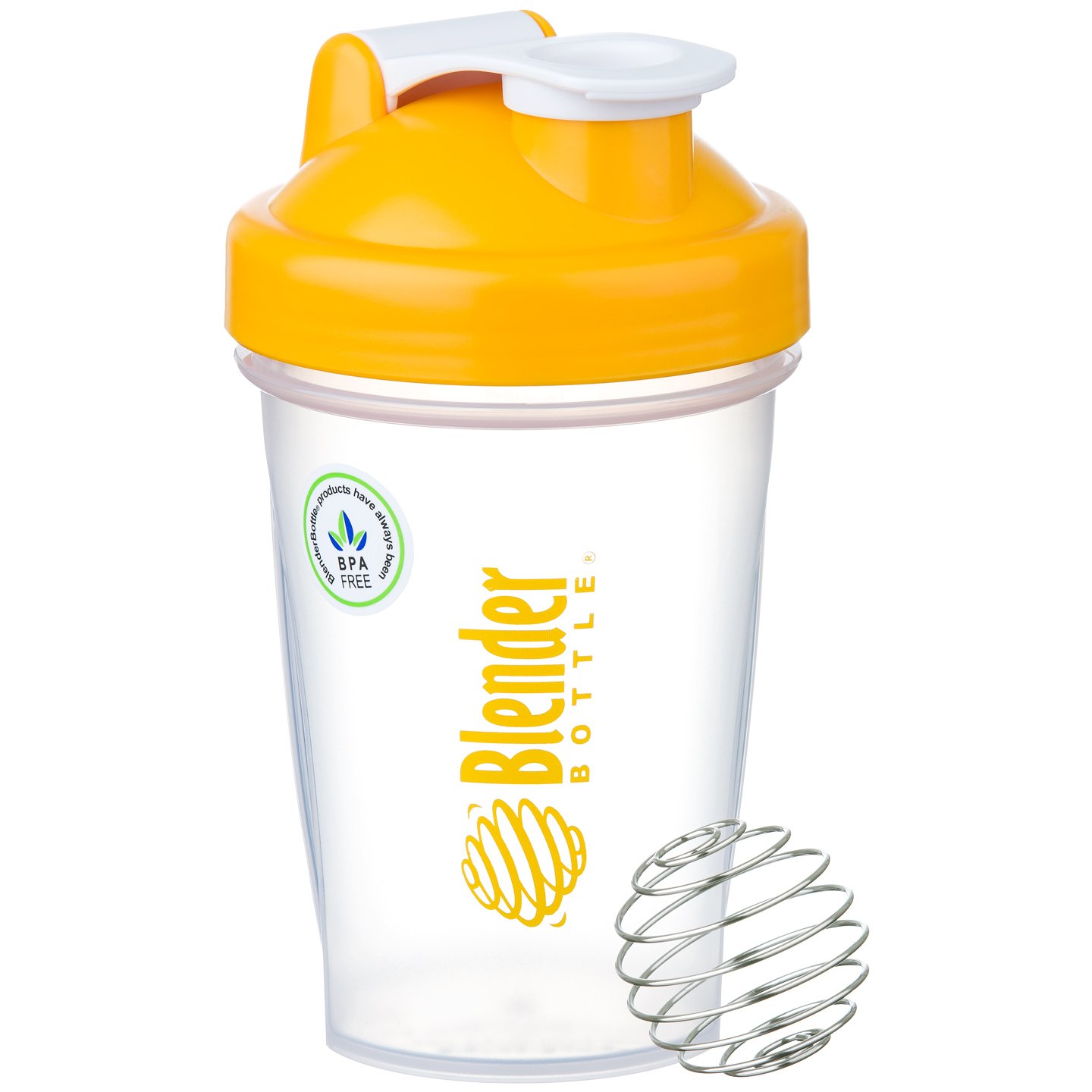
![http://ecx.images-amazon.com/images/I/61sCJeuc%2BHL._AA1440_.jpg]blender](http://ecx.images-amazon.com/images/I/61sCJeuc%2BHL._AA1440_.jpg%5Dblender)