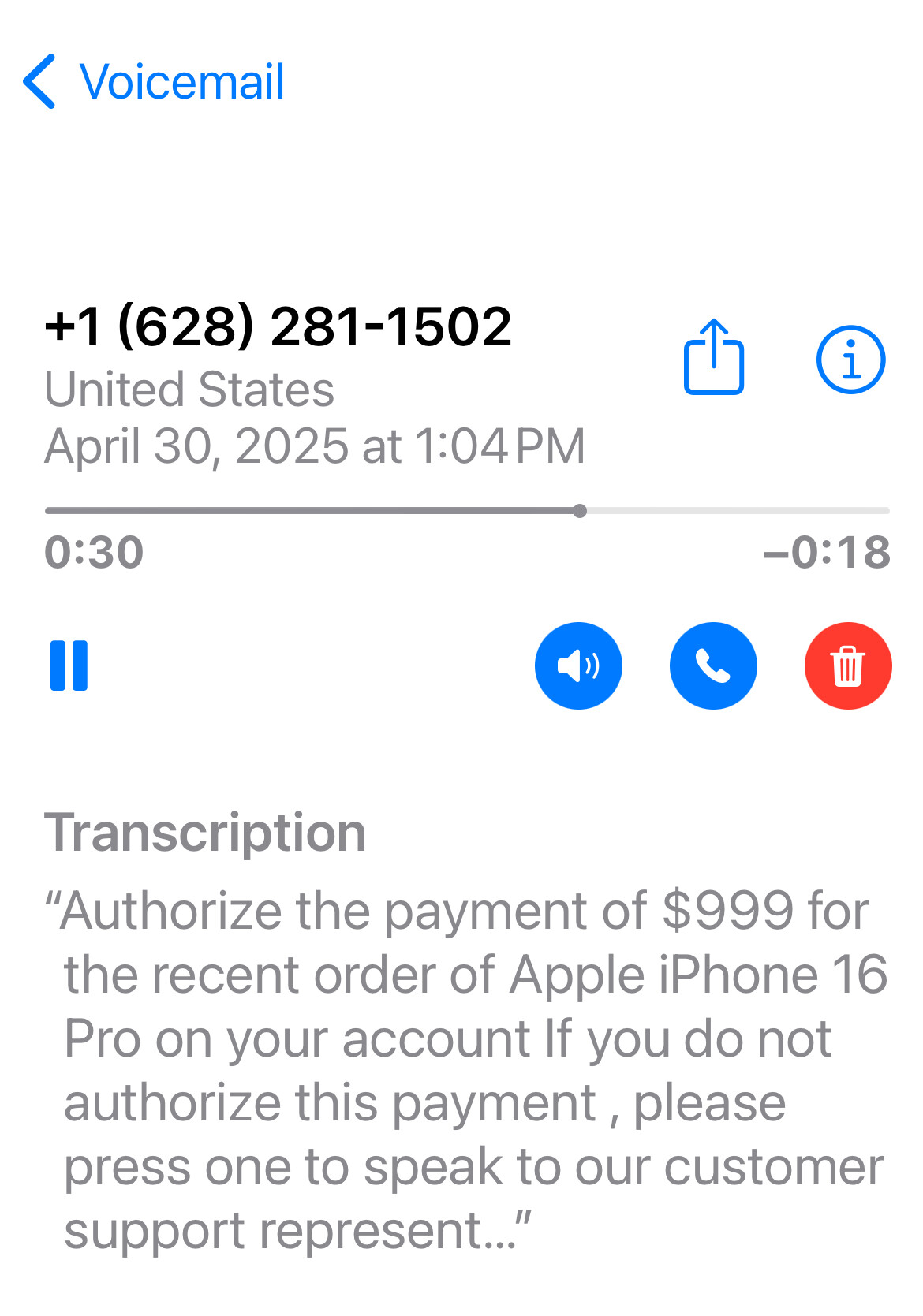
Someone hacked into my cell phone carrier account and ported our cell phone numbers to another carrier. Once they had access to our numbers, they just went to random banking sites, retirement account sites and clicked on “Forgot password” to see which ones I had two factor authentication on so they would get the passcode on my cell phone number.
I only noticed something wrong when my phone suddenly went into SOS mode, I called my carrier and they said my phone number was ported off. Their fraud prevention was really helpful and got my number back, but I had to freeze my credit and then go into all my accounts and change all passwords.
What in the world? That is wild. Great that you caught it so fast.
So in this case, the 2FA would have given less security as opposed to more security, since they wouldn’t even need to have hacked your financial passwords? Would the password reset process work just via the code sent to your phone? Or would they then have to figure out your username in order to get into your accounts? Yikes!
I don’t log into any of my financial accounts on my phone (only computer), nor do I store any of that login info anywhere. I hand-type the URLs into my browser and hand-type my login info every time.
But of course I have 2FA turned on for all of my financial accounts, with the codes coming to my cell phone.
My credit is already frozen because I got a notice from the IRS that someone tried to use my SSN (what the heck?!) But they wouldn’t give me any more info other than to suggest locking everything down super tight. I’m not sure if it was used to file taxes or obtain employment or what. But my SSN is very odd and has one digit repeated many times in a row, so I could see someone just making it up lol.
As this cell phone scam becomes more common I’ll be interested to see how it’s handled!
One of my oldest friends in the world – since 7th grade – “met” someone on an on-line dating site. They were getting along very well for about three weeks, until he asked for a “loan” of $250,000! When she balked, he then asked for “only” $90,000. How stupid are some people!!!
Everyone’s familiar by now with the “grandparent scam,” right? My brother in law recently told us about getting caught up in a variation of that. His grandson had been arrested in a recent protest.(That actually happened.) He got a text from someone claiming to be from a bond agency, telling him how to forward funds for his bail. The bond company checked out, and he went through some kind of process involving gift cards or PayPal or something (I know, red flag, red flag) and it eventually turned out the person texting him had nothing to do with the legitimate bail bond agency, and had somehow gotten his info through public records (?) Scary combination of truth and fiction that scammed him out of a couple hundred dollars. Haven’t heard back as to whether he was successfully able to dispute any of it with his bank, but costly lesson learned.
My brother’s in-laws were called and told that grandD was in trouble. They were all set to rescue but fortunately called their D who said NO grandD was in school & fine.
My mom used to get those calls. I told her to say "Billy is in trouble? Why, I send him gifts for every birthday but do I get a thank-you card or call? No. The hell with him, he can rot in jail!’ She chuckled, but I don’t think she ever did it.
Yes, that’s what I was referring to as the well-known “grandparent scam.” What made my BIL’s experience even scarier was that there were elements of truth to it - the grandson actually was in need of assistance, but what he was asked to do would not actually help him.
My son used to do whatever he wanted with telemarketers, etc. We would hand him the phone, and he would do his thing. He was about 8 when we started going this. He had great fun, and maybe we got off some lists?
My husband usually does that–he goes along with the callers. He’s really outrageous and will say stuff like: hang-on I really want to hear about this, but I’m giving my grandpa a bath and he’s 87 and I have to watch him.
Sometimes when I’m bored and it’s a person on the line, I’ll pretend to be doing what they say, but I’ll keep on doing something small wrong. So they’ll say “Type fcd-326”, and I’ll pretend to be typing and say “fcT-326”. Each time something small but obvious, and I’ll enjoy having them get angrier and angrier.
Or I’ll go Full Force ADHD on them, and start rambling on about some minor detail that they mentioned.
Nothing frustrates and angers them more than believing that they just hooked a sucker, if they could only get that sucker to do what they tell him, but that sucker keeps on getting everything wrong.
Best thing I’ve done is to silence all unknown calls. I’ve been getting more recently. Yes, I miss a few incoming calls, but so far nothing important. If I’m expecting a call from a company, I ask for their number in advance, and log it onto my phone. If I’m not, and it is needed, they leave a message.
I also try to request a specific time range for calls from anyone who needs to discuss information that is not an emergency (CPA, MD, contractor, etc.). That way I try to be available for them rather than playing “phone tag”.
And that includes my BIL, who got a call to “confirm his Medicare number.” He was off his guard and busy. The guy kept insisting and so my BIL gave him the Medicare number. Probably not necessarily going to cost my BIL directly but it’s all part of the huge Medicare scam. My BIL did report it, but not sure what good it will do.
That reminds me – I may have mentioned this before:
Annually, I get a call from the mammography center to set up my annual appointment. Sure – how about this day, this time? Then they ask for my birth date, to confirm that it’s me. I’ve thrown them for a loop when I remind them that THEY called ME, and I’m not giving them my birth date. They get very uncomfortable.
In case you don’t know. If you hover your curser over the sender’s name, it will show you the email address it came from. No business will ever send you an email from a hotmail or gmail account!
Similar to other scams, a pop up on his computer said he’s been hacked.
Rehearsed responses and fake credentials
What is consistent is the con artists’ approach.
“They’re going to create a sense of urgency, a sense of privacy and don’t want you to talk to anybody about it,” Sgt. Quarless said.
It’s how scammers gain control. Don’t let them. Here are red flags to watch out for.
A sense of urgency
Scammers often claim your money is in immediate danger or your account has been compromised. They’ll push you to act fast, hoping you don’t slow down and think it through. Don’t fall for it. Instead, hang up the phone and talk to someone you trust. Visit the bank in person if you’re worried about calling in.
Isolation tactics
Victims are frequently told not to talk to anyone — not friends, not family, not even their bank. That’s a major red flag. They’re worried that if you ask for help, someone will stop their scam in its tracks. Instead, make sure you ask for help. Talk to a trusted friend, financial advisor, or bank employee.
Demands for untraceable payments
Any request for money through cash couriers, wire transfers, crypto or gift cards is a giveaway. Real businesses and agencies don’t work this way. Never send money to someone you don’t know through these methods.
Offering to protect your money
Federal regulations already protect most bank accounts. Pulling the money from your account won’t protect it in most cases. If someone offers to protect your money from a scam, there’s an excellent chance they are the scammers. They’ll say you’re moving the money to a 'safe account,’ but that account belongs to them.